

Introduction
Domestic violence is an ongoing societal issue that results in consequences for not only the individuals directly involved but also for entire communities. One of the areas of research that has emerged in understanding the persistence of domestic violence across generations is the phenomenon of intergenerational transmission. This concepts refers to the pattern by which individuals who experience or witness domestic violence in childhood are more likely to imitate such behaviors in their own relationships as adults. The intergenerational transmission of domestic violence has significant implications for both prevention and intervention strategies aimed at breaking the cycle of abuse. Research in this area explores the complex interplay of factors, including sociological, psychological, and environmental influences that contribute to the replication of abuse behaviors. Factors such as attachment styles, coping mechanisms, exposure to traumatic experiences, and socio-economic conditions play pivotal roles in shaping an individual’s likelihood of engaging in or becoming a victim of domestic violence. Additionally, scholars examine how cultural, familial, and societal norms can either reinforce or challenge these cycles of abuse. This literature aims to provide a comprehensive overview of the existing research on the intergenerational transmission of domestic violence, exploring both theoretical frameworks and empirical findings. By synthesizing key studies in this field, this review will illustrate the mechanisms through which domestic violence gets passed down through generations, as well as the implications for developing effective interventions to disrupt this cycle and promote healthier relationships across generations. In my research question, how does domestic violence in childhood influence an individual’s likelihood of becoming an abuser or a victim in adulthood? It is important for us to research on intergenerational transmission of domestic violence so we stop the pattern from continuing.

Intergenerational Transmission
Intergenerational transmission is the process by which behaviors, values, beliefs, and traits are passed down from one generation to the next. This can occur through direct mechanisms such as parenting styles, socialization practices, or verbal communication, as well as indirect methods, such as societal norms or cultural traditions. The transmission can encompass both positive and negative aspects, such as the passing of resilience, educational values, or, conversely, cycles of trauma, poverty, or mental health issues. Research in psychology and sociology often explores the influence of these patterns on individuals and communities, examining how family dynamics, economic status, and cultural background shape one’s experiences and opportunities. In response to these concerns, research has examined the factors associated with both the perpetration of violence and victimization in relationships. Case studies of children who witness violence first emerged in the 1970s, with the initial empirical research being conducted in the 1980s. For the past decades, researchers have studied and produced theoretical explanations to examine how children witnessing domestic abuse affects them. One theory, intergenerational transmission, is when children who experience violence from parents and/or witness parents’ violence toward one another, will learn that violence is appropriate in interpersonal settings and will imitate these actions in their adult relationships (Egeland, 1993). Prior research has noted that when children whose parents witnessed domestic violence, had inferior health compared to children with non-witnessing parents (Forke et. al., 2019). A child who recognizes and relates to the physically aggressive parent will be more likely to use strategies in adult relationships.
The focus on child witnesses is important because it helps us uncover how behaviors, attitudes, and patterns related to abuse and violence are passed down from one generation to the next. Understanding this phenomenon allows researchers to identify the psychological, social, and environmental factors that contribute to the cycle of violence, whether in terms of becoming an abuser, a victim, or both. By studying intergenerational transmission, researchers can develop more targeted interventions and prevention strategies to break the cycle of violence before it begins, ultimately reducing the prevalence of abuse and improving the well-being of future generations. Additionally, this focus can inform policies and programs that address the root causes of violence, promoting healthier relationships and stronger communities. Children are highly impressionable and often exhibit and interrogate behaviors, emotions, and experiences they observe. These experiences are not only stressful, but can contribute to a child’s worldview, attachment patterns, and coping mechanisms, influencing their own behavior as they mature into adults. Furthermore, children observe and process these experiences directly affect how they interact with other individuals later in life. For example, a child who witnesses their caregiver’s emotional neglect or violence may learn to replicate these behaviors in their own relationships, without knowingly transmitting unhealthy behaviors to the next generation.
Domestic Violence
Domestic violence remains a social concern despite the growing scholarly attention and advocacy spanning in recent years. Since many cases are unreported, it is difficult to obtain precise figures regarding the scope and extent of the issue (Kramer & Finley, 2024). Lifetime estimates of violence suggest that 25% of women will experience abuse at the hands of an intimate partner. Furthermore, annual incidence rates reveal that 1.5 million women and 834,732 men report experiencing intimate partner victimization each year (Tjaden & Thoennes, 2000).
The focus on domestic violence is crucial because its far-reaching impact on individuals, families, and society as a whole. Research highlights that domestic violence is not only a violation of human rights but also a significant public health issue, with long-term physical and psychological consequences for survivors (WHO, 2024). A study conducted in urban Thailand revealed that childhood exposure to family violence has long-lasting and significant impacts on the likelihood of Thai women engaging in both psychological and physical intimate partner violence (Kerley et al., 2009). Furthermore, their findings showed a direct link between childhood exposure to parental intimate partner violence and increased psychological and physical victimization in adulthood. Focusing on this issue can facilitate early intervention, reducing the long-term harm to victims and breaking the intergenerational transmission of violence. Legal, social, and psychological support systems designed to combat domestic violence can help prevent further abuse and promote the safety and well-being of vulnerable individuals. Thus, prioritizing efforts to understand and address domestic violence is essential for building healthier, more resilient communities and ensuring the protection of human rights.
Link Domestic Violence and Intergenerational Transmission
Domestic violence and intergenerational transmission are closely linked, as exposure to violence during childhood significantly increases the likelihood of both perpetrating and becoming a victim of abuse in adulthood. Witnessing violence during childhood increases the likelihood of perpetrating violence in adult relationships by 1.86 times compared to individuals who did not witness violence in childhood (Franklin & Kercher, 2012). Children who witness domestic violence often internalize unhealthy relationship dynamics, which can shape their understanding of conflict resolution and power dynamics in relationships. These children may grow up to either repeat the cycle of violence by becoming abusers themselves or enter relationships where they are more susceptible to victimization (Kitzmann, et al., 2003). The intergenerational transmission of violence highlights how harmful behaviors and attitudes about abuse can be passed down through families, creating a cycle that is difficult to break. Understanding this connection is essential for developing effective prevention and intervention strategies aimed at disrupting this cycle and fostering healthier relationships across generations.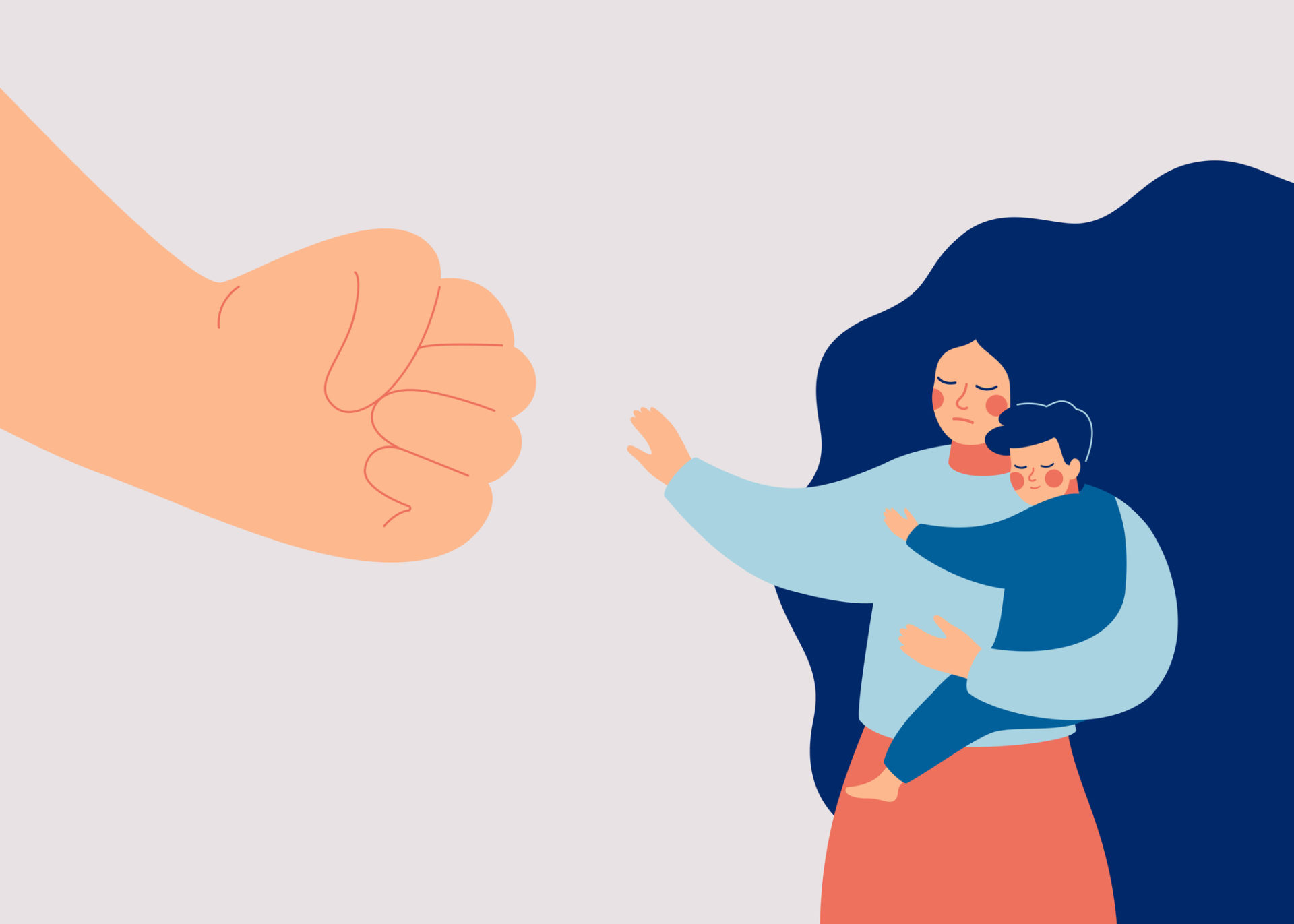
Gender plays a crucial role in the dynamics of domestic violence, as women are disproportionately affected by intimate partner violence, with societal norms and power imbalances often resulting in vulnerable positions. Much of what we have observed about the experiences of intimate partner violence (IPV) has been derived from research examining men’s behavior and women’s victimization (Pence & Paymer 2003). Men, although also victims of domestic violence, are less likely to report abuse due to gendered stigma and societal expectations of masculinity (Taylor et al., 2022). When it comes to gender differences in experiences, a study with Chinese police cadets shows that male cadets reported more supportive attitudes toward domestic violence than female cadets (Hayes et al., 2020). This cycle is influenced by learned behaviors and normalized behavior in the home. The experience of growing up in an abusive environment can shape one’s understanding of relationships, power, and conflict resolution, often resulting in individuals adopting abusive behaviors or accepting victimization as a norm. This cycle requires targeted interventions that challenge harmful gender norms and provide education, support, and resources to those affected by domestic violence. Addressing gender disparity, providing safe environments, and promoting healthy relationship dynamics are essential to prevent the intergenerational transmission of abuse.
Conclusion
Currently, there is limited research on the long-term impact of witnessing domestic violence in childhood on an individual’s likelihood of becoming either an abuser or a victim in adulthood. However, increasing awareness of this issue is essential for advancing the field and promoting meaningful interventions. Studies have demonstrated that exposure to domestic violence during childhood can contribute to the development of maladaptive behaviors, emotional trauma, and impaired relationships in adulthood. Yet, research remains sparse, and the complex interplay of psychological, social, and environmental factors that influence these outcomes is not fully understood. Increasing public attention and support for this issue can drive further investigation, encouraging the implementation of preventative measures, as well as therapeutic and educational programs to break the cycle of violence. The more we acknowledge and address the long-term effects of childhood exposure to domestic violence, the sooner we can create positive change, helping to prevent future generations from experiencing similar trauma.
References
Egeland, B. (1993). A history of abuse if a major risk factor for abusing the next generation. In R. J. Gelles & D. R. Loseke (Eds.), Current controversies on family violence (pp. 197–208). Newbury Park: Sage Publications.
Franklin, C.A., Kercher, G.A. The Intergenerational Transmission of Intimate Partner Violence: Differentiating Correlates in a Random Community Sample. J Fam Viol 27, 187–199 (2012). https://doi.org/10.1007/s10896-012-9419-3
Forke, C. M., Catallozzi, M., Localio, A. R., Grisso, J. A., Wiebe, D. J., & Fein, J. A. (2019). Intergenerational effects of witnessing domestic violence: Health of the witnesses and their children. Preventive Medicine Reports, 15. https://doi.org/10.1016/j.pmedr.2019.100942
Hayes, B. E., Connolly, E. J., Wang, Xinting, Ingham, Camille, & Mason, Makayla. (2021). Prevalence of child maltreatment and the effects of the intergenerational transmission of violence on attitudes towards domestic violence in chinese police cadets. Journal of Family Violence, 36(6), 733-742.
Kerley, K. R., Xu, Xiaohe, Sirisunyaluck, Bangon, & Alley, J. M. (2010). Exposure to family violence in childhood and intimate partner perpetration or victimization in adulthood: exploring intergenerational transmission in urban thailand. Journal of Family Violence, 25(3), 337-348.
Kitzmann, K. M., Gaylord, N. K., Holt, A. R., & Kenny, E. D. (2003). Child witnesses to domestic violence: A meta-analytic review. Journal of Consulting and Clinical Psychology, 71(2), 339–352. https://doi.org/10.1037/0022-006X.71.2.339
Kramer, L., & Finley, L. (2024). Domestic Violence: Overview. Points of View.
Pence E., & Paymar M. (2003). Creating a process of change for men who batter. An education curriculum (Rev. ed.). Minnesota Program Development
Taylor, J. C., Bates, E. A., Colosi, A., & Creer, A. J. (2022). Barriers to Men’s Help Seeking for Intimate Partner Violence. Journal of interpersonal violence, 37(19-20), NP18417–NP18444. https://doi.org/10.1177/08862605211035870
Tjaden, P., & Thoennes, N. (2000). Prevalence and consequences of male-to-female and female-to-male intimate partner violence as measured by the National Violence Against Women Survey. Violence Against Women, 6, 142–161
WHO. (2024). Violence against women. Retrieved December 5 from https://www.who.int/news-room/fact-sheets/detail/violence-against-women