

A Political Economy Snapshot of Prices, Debt and Social Pressure
Growth weakened before recovery began
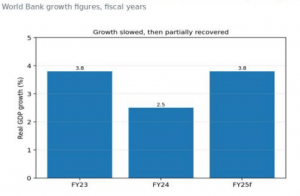
Egypt’s growth fell from 3.8% in FY23 to 2.5% in FY24 before improving to a World Bank forecast of 3.8% in FY25. That pattern shows how macro stabilization can slow activity before confidence and output recover.
Poverty depends on the line you use
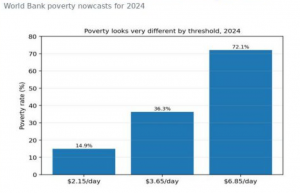
Using World Bank thresholds, Egypt’s 2024 poverty rate was 14.9% at $2.15/day, 36.3% at $3.65/day, and 72.1% at $6.85/day. This matters in IPE because policy debates can look very different depending on which poverty measure is chosen.
WHY THIS MATTERS IN IPE
Inflation hits living standards fast
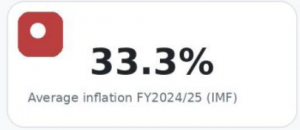
The IMF’s 33.3% average inflation figure for FY2024/25 helps explain why social pressure remained intense even as reforms advanced.
Macroeconomic repair was distributional costs
The World Bank notes poverty pressures after the 2023–2024 inflation spike, showing that stabilization is not socially neutral.
Labour-market weakness limits resilience
Although unemployment fell to 6.5% in Q4-FY24, female labor force participation was still only 15.9%, indicating weak inclusion.
Core argument:
Egypt’s case shows the classic political-economy trade-off of adjustment. Price stabilization and fiscal repair may improve macro credibility, but the burden is felt first through household welfare and uneven labour-market access.
Key pressure points
- Poverty remained elevated
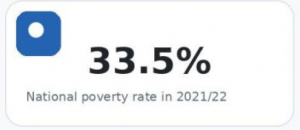
National poverty rate stayed 33.5% in 2021/22, with higher poverty in Rural Upper Egypt. - Debt stayed heavy
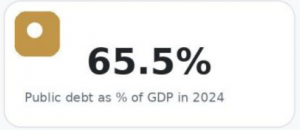
World Bank data put public debt at 65.5% of GDP in 2024. - Private-sector constraints persisted
The World Bank links weak productivity and exports to business-environment and structural bottlenecks. - Social inclusion lagged
Female labor force participation was just 15.9% in Q4-FY24.
Policy implication
Macroeconomic reform should be judged not only by inflation and debt outcomes,
but also by whether it protects household purchasing power, supports jobs, and broadens participation in growth.
References
World Bank, Macro Poverty Outlook: Arab Republic of Egypt (April 2025 and April 2026).
World Bank country poverty and macro documents on Egypt.
IMF World Economic Outlook Data Mapper / October 2025 for inflation.