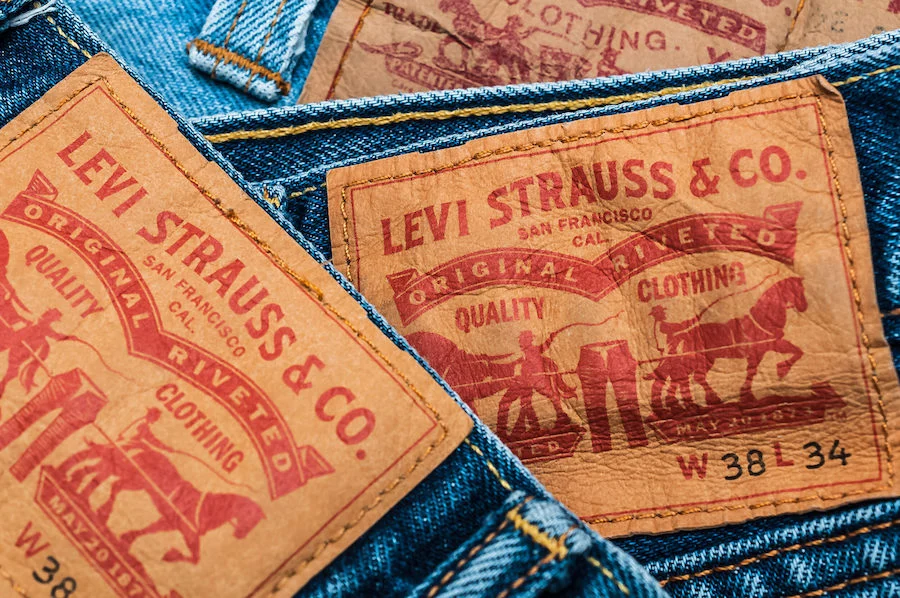

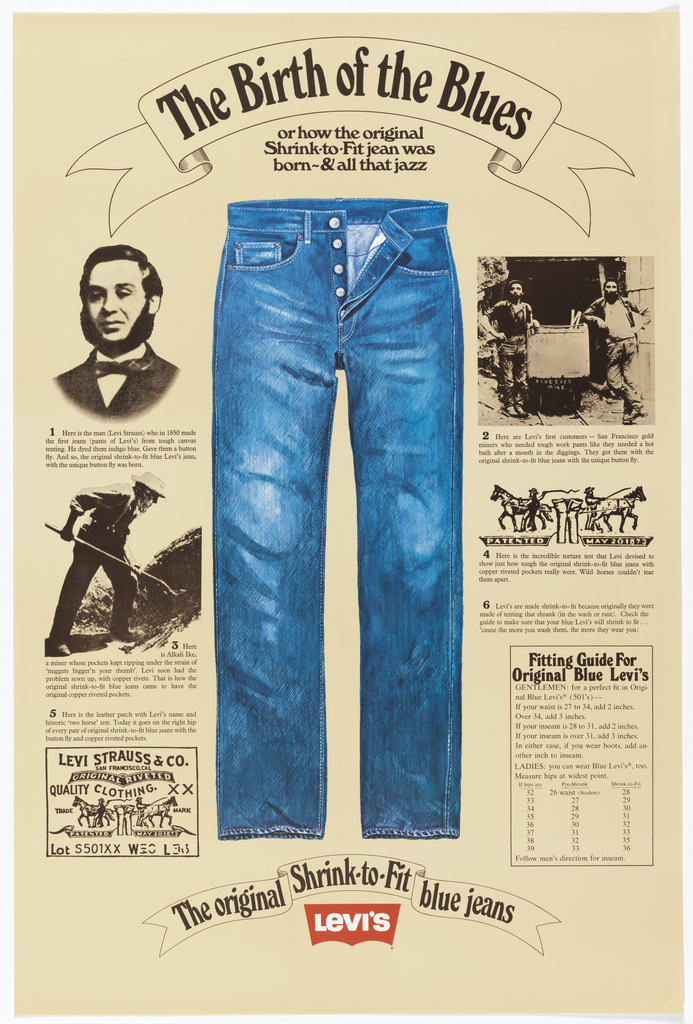
In the late 19th century, workers in railroads, mines and factories had the problem of their work pants tearing. They needed heavy duty pants to wear to work because of the heavy tools they had to carry and the intense labor they had to perform. The seems and pockets of their jeans were tearing constantly, causing them to keep having to get them tailored. A tailor by the name of Jacob Davis found this reoccurring problem in Nevada. It brought him to the idea of creating stronger pants that would be durable and lasting through every rough work condition. This idea would eventually lead to one of the greatest inventions in the clothing history for America.1
Jacob Davis then started to experiment with the different designs and came up with the idea of placing small metal rivets at stress points on denim pants, especially near the pockets and button areas where tearing happened most often. Davis tested the design and therefore discovered that the rivets made the pants much more durable than before. This then caused a higher demand for the reinforced pants that Davis created for workers because of how durable they were in their work environment. For Jacob Davis this was just an idea to help out his people, but, “These riveted pants were an instant hit.”2
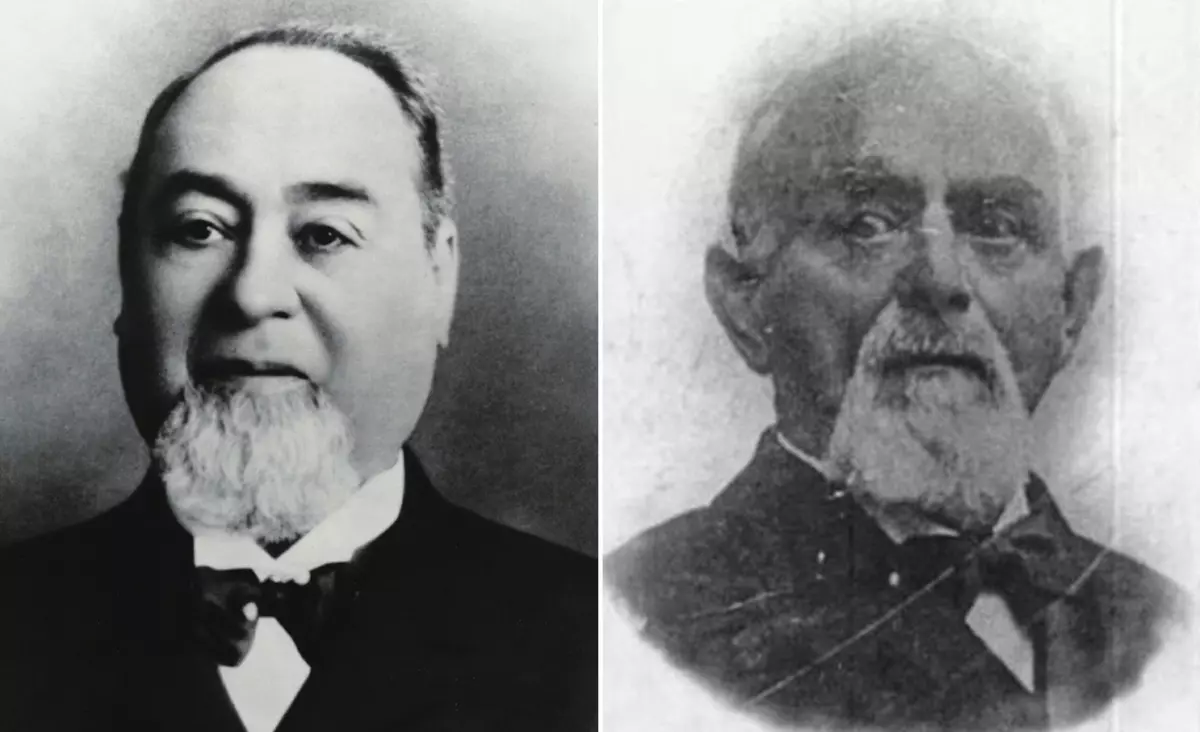
As the reinforced pants became well liked, Jacob Davis worried about competitors copying his design of the refit before he could get a patent. He didn’t have much money and applying for a patent was very expensive to do on his own. He often purchased his fabric from a man named Levi Strauss. Davis contacted Levi Strauss and shared his idea of the invention of the rivet. This gave him the opportunity to asked for Strauss’ partnership. Levi Strauss saw the potential of this invention and agreed to be Jacob Davis’s partner. They worked so well together because, “When Levi’s deep knowledge of his customers’ needs met Jacob’s riveted pants, it’s no wonder Levi jumped on the opportunity.”3 Together with Levi Strauss’ financial resources and Jacob Davis’s idea, they prepared the paperwork needed to apply for the patent.4
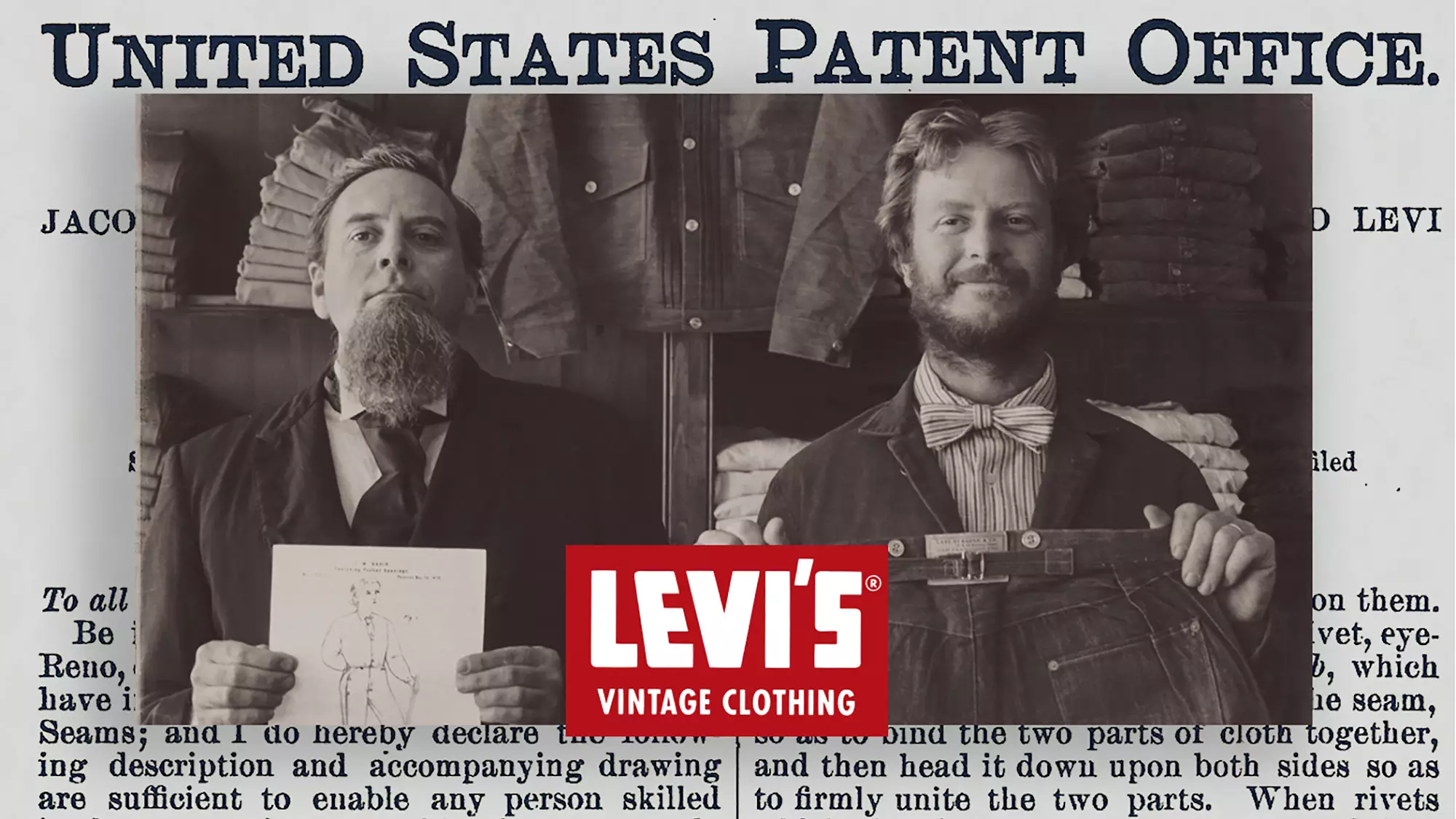
On May 20, 1873, they obtained a U.S. patent for riveted denim work, and that became the day “The blue jeans were born.”5 The riveted jeans were a huge success, and quickly became popular among miners, ranchers, and laborers throughout the American West. This was a huge turning point for the clothing industry as they continued to rise.6
After they were successful of receiving the patent, Strauss and Davis began manufacturing the riveted jeans on a whole other level. Over time, the durable work pants spread far beyond just for workers, to everyday wear for normal people. What began as durable clothing for laborers eventually became one of the most recognizable fashion items in the world. Authors Daniel Miller and Sophie Woodward argue that blue jeans became popular because they combined usefulness, comfort, and a fashionable look. Today, jeans are worn by people of all ages, backgrounds, and professions, which goes to show how one simple invention from 1873 created a lasting impact on both American culture and fashion.7
- Lynn Downey, Levi Strauss: The Man Who Gave Blue Jeans to the World (Amherst, NY: Prometheus Books, 2016). ↵
- Levi Strauss & Co., “History of Levi’s,” Levi Strauss & Co., accessed April 2026, https://www.levistrauss.com/levis-history/ ↵
- Lynn Downey, Levi Strauss: The Man Who Gave Blue Jeans to the World (Amherst, NY: Prometheus Books, 2016),126. ↵
- Lynn Downey, Levi Strauss: The Man Who Gave Blue Jeans to the World (Amherst, NY: Prometheus Books, 2016). ↵
- Levi Strauss & Co., “History of Levi’s,” Levi Strauss & Co., accessed April 2026, https://www.levistrauss.com/levis-history/ ↵
- “Blue Jeans,” Encyclopaedia Britannica, last modified 2024, https://www.britannica.com/topic/blue-jeans ↵
- Daniel Miller and Sophie Woodward, Blue Jeans: The Art of the Ordinary (Berkeley: University of California Press, 2012). ↵