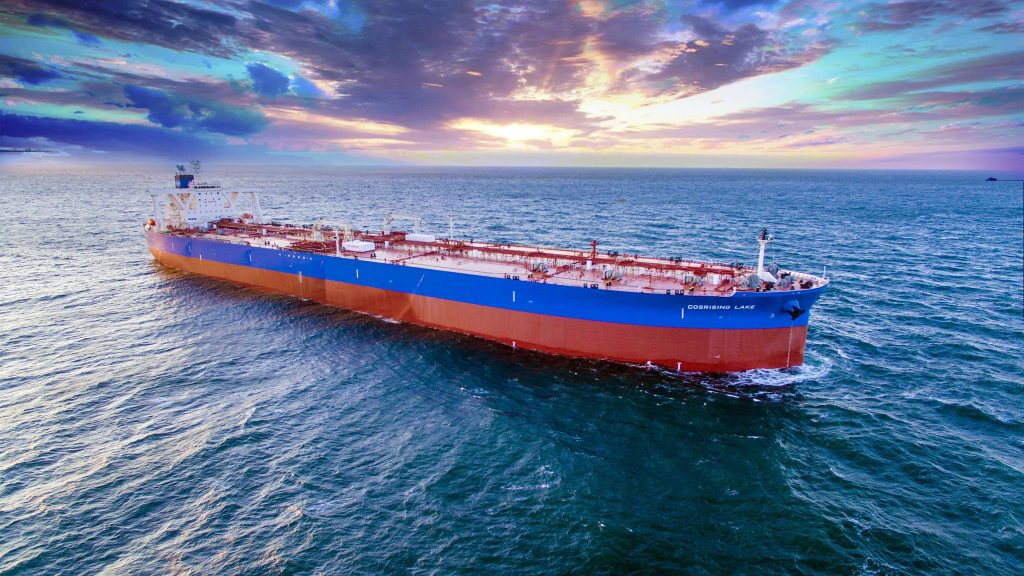

Escalating tensions between the United States and Iran has exposed the fragility of global energy markets. Historically conflict in the Middle East, particularly when it involves major oil producers, has led to a sharp increase in global oil prices. The current conflict in Iran is no different. Iran is threatening ships who pass through the Strait of Hormuz and has caused regional instability for its neighbors who border the body of water. Iran has weaponized its position in the strait to ensure it hold economic control over those who rely on oil from the Middle East (Simon 2026).
With its most utilized supply route under attack, the US must weigh its options to stabilize the energy market domestically. These options include easing sanctions on geopolitical rivals, easing sanctions on a country under new government set in by the United States, or expanding domestic production. Each decision is set with its own risks and trade-offs, and its own set of political consequences. It is important to pick up the most viable option, economically and politically, but the US contains the capabilities to do all three options if it so chooses (Hirs 2026).
Policy Options
Option one purchasing of Russian oil and a relief from sanctions put onto Russia. The US is most likely headed in this direction as it has already begun lifting sanctions on purchasing Russian oil that has been floating off the coast of India.
Option two lifting sanctions on Venezuelan oil. Similar to the scenario with Russian sanctions lifting Venezuelan sanctions would ensure that oil prices do not keep soaring. Sanction on Venezuelan oil can be lifted to ensure that the US has enough in reserves during the war with Iran. This change in production of oil comes post military attacks in Venezuela earlier this year.
Option three expanding domestic energy resilience with increased domestic production. This would reduce the reliance on foreign nations for supply.
Purchasing Russian Oil.
Purchasing of Russian oil presents complex reality of economic necessity and geopolitical tensions for the US. Russian crude oil remains a significant component of global supply, reliance on it raises ethical concerns. The decision to buy Russian oil is not only an economic one but reflects broader issues of energy independence and moral responsibilities during the Russia-Ukraine war. Limited purchase could stabilize domestic fuel prices and prevent economic strain, but that would empower an adversarial regime.
There are a few risks with easing Russian sanctions to start it undermines U.S. foreign policy goals. Lifting sanctions on Russia sends a signal that geopolitical pressure, especially related to its actions in Ukraine, can be bypassed when convenient. The already lifted sanctions have caused tension with the US and the rest of Europe as Russian oil is not being bought by Ukrainian allies amidst their own war. Purchasing Russian oil would also signal to Russia that they are still important on the global energy and economic stage. European allies that continue restricting Russian oil could view US purchases as a betrayal. Providing Russia with renewed oil revenue increases its economic resilience and could indirectly support its ongoing military operations (Goldman 2026).
The associated trade-offs are short‑term price relief resulting in long term instability. While Russian oil may quickly lower global prices, the strategic cost of empowering an adversarial state could create future crises that again disrupt markets. Cheaper consumer fuel comes at the expense of the U.S. appearing inconsistent in its sanctions posture.
Lifting Sanctions on Venezuela
Due to the current conflict with Iran the US is looking for new ways to import oil and is turning to Venezuela as an option to purchase oil from. Venezuela is currently under President Delcy Rodriguez who was appointed by Trump after the arrest of Maduro by the US. Currently Venezuela has the largest oil reserve in the world with an estimated one trillion barrels worth of oil in the Orinoco belt under Venezuela.
However, lifting sanctions on Venezuela and then relying on their oil production poses significant risks. The production capabilities of this reserve are low. The oil in Venezuela is stuck in place and harder to extract than the free-flowing oil that is in West Texas (Pinedo 2026). Not only is the oil harder to extract but the production capabilities by Venezuela have fallen. In its height the country could produce 3 million barrels a day but has fallen to only 800,000 a day. For the country to produce 3 million bpd it would have to invest millions of dollars and would take at least a decade (Escobar 2026).
Further, rolling back sanctions could lead to political backlash domestically. U.S. policymakers may face criticism for appearing to “reward” human rights violations or corruption even though the government of Venezuela has been changed over from Maduro. A major concern of relying on Venezuela is the uncertain production capacity. Venezuela’s oil infrastructure has deteriorated for years. Even if sanctions are lifted, production may recover slowly, providing limited immediate price relief (Rapier 2026).
There are trade-offs to take into account. Lifting sanctions on Venezuelan oil could provide modest short‑term relief to global energy markets, but that relief is likely to be limited and uncertain. While increased access to Venezuelan crude may help stabilize prices during a prolonged conflict with Iran, production constraints and degraded infrastructure mean that growth would materialize slowly rather than immediately. In exchange for potential price stability, the United States risks credibility of sanctions as a foreign‑policy tool, signalling that economic pressure can be reversed when energy markets tighten such is the case with Russia.
Increasing Domestic Production
Increasing domestic oil production would strengthen US energy security by reducing dependency on foreign suppliers and would shield the economy from further shocks. Expanding drilling in areas like Texas could help offset disruptions caused by conflicts in the Middle East. This approach would create jobs, allowing the US to leverage extraction technologies to maximize efficiency. Policy makers must balance short-term energy needs and long-term impact on the environment.
When considering the risks of increasing domestic production, there are a few to consider higher consumer prices as protected industries face less foreign competition, which can lead to prolonged periods of elevated costs for households. Governments also risk significant fiscal strain due to the heavy subsidies and incentives often required to support domestic manufacturing. Additionally, tariffs and protectionist measures can reduce overall economic efficiency by raising input costs and disrupting comparative advantages, ultimately lowering productivity and long‑run GDP. Another risk is misjudging an industry’s true capacity to innovate or scale, which can result in the misallocation of public resources to sectors unlikely to succeed globally.
Prioritizing domestic manufacturing can improve supply‑chain security but typically comes at the cost of increased prices for consumers and significant budget commitments. Governments may also gain strategic industrial capabilities but at the expense of global competitiveness, since protected industries may innovate more slowly without international pressure. Furthermore, while reshoring can create local jobs, it can also strain labor markets and increase wages in key sectors, making production more expensive overall. Protectionist actions can also trigger retaliation from trade partners, forcing countries to weigh domestic gains against potential diplomatic and economic fallouts.
Conclusion
The United States must pursue a balanced energy strategy that prioritizes national security while promoting long-term resilience. Expanding domestic production offers immediate relief from foreign vulnerability, but it should be complimented with diplomatic engagement and investment in environmental sustainability. The US also has the option of repealing long held tensions with Russia to ensure energy security by purchasing its oil. As global tensions persist5, energy policy and security become ever more important. Strengthening internal capabilities and diversifying supply chains, the US can maintain stability even amid geopolitical uncertainty.
References
Brown, P., & Library of Congress Congressional Research Service. (2019). Venezuela oil sector sanctions : market and trade impacts. CRS Reports (Library of Congress. Congressional Research Service); Congressional Research Service. https://purl.fdlp.gov/GPO/gpo215777
Escobar, K. (2026, January 28). Can Venezuela get back to producing 3 million barrels of crude oil a day? CNBC. https://www.cnbc.com/2026/01/28/venezuela-crude-oil-production-investment.html
Goldman, D. (2026, February 20). A US attack on Iran could send oil prices surging at precarious time for Trump | CNN business. CNN. https://www.cnn.com/2026/02/20/business/iran-us-attack-oil-prices Trump administration allows purchase of Russian oil already at sea – CBS News
Hirs, E. (2026, February 20). Why oil markets are worried about Trump attacking Iran. Forbes. https://www.forbes.com/sites/edhirs/2026/02/20/why-oil-markets-are-worried-about-trump-attacking-iran/
Pinedo, P. (2026). Machado tells US oil giants Venezuela will become beacon of wealth creation after Trump ousted Maduro. Fox News. https://www.msn.com/en-us/money/markets/machado-tells-us-oil-giants-venezuela-will-become-beacon-of-wealth-creation-after-trump-ousted-maduro/ar-AA1ZoG6C
Rapier, R. (2026, January 18). Why you should be skeptical about Venezuela’s oil reserves. Forbes. https://www.forbes.com/sites/rrapier/2026/01/18/why-you-should-be-skeptical-about-venezuelas-oil-reserves
Simon, J. (2026, February 4). What U.S. history with Iraq’s oil can tell us about what could happen in Venezuela. NPR. https://www.npr.org/2026/02/04/nx-s1-5672744/trump-oil-venezuela-iraq-chevron-rubio-vitol


4 comments
Mía Perez
I like this article because it clearly explains how energy security becomes even more complicated during war and geopolitical conflict. I really enjoyed how you laid out the three options—Russia, Venezuela, and domestic production—since it made the trade-offs easy to compare. It helped me understand that energy policy isn’t just about economics, but also about diplomacy, ethics, and long-term stability. The discussion of how each choice affects both prices and global relationships stood out to me as especially important.
Rosa Inocencio
Hi Sabrina, I thought your article was very clear and well written, I liked how you mentioned how global conflicts with Iran, Venezuela, and Russia can affect oil prices and energy security, I did not know that. You did a good job explaining the different policy options and mentioning the trade-offs of each one. Great Article!
Emma Jimenez
This was a strong and well structured analysis of U.S. energy policy options in response to global instability. I liked how it clearly laid out the trade offs between purchasing foreign oil, lifting sanctions, and expanding domestic production. The comparison of short term relief versus long term geopolitical and economic risks made the argument easy to follow and relevant to current global energy concerns.
Greitin Rodriguez
Hi. I really like what you did in your policy report about showing the pros and cons of energy security vs geopolitical strategy. That is one of your best ideas. I loved that you took each of your options for policies for Russia, Venezuela, and domestically producing oil and showed both the good and bad parts of each so that none of them are shown to be ideal. I thought you were very effective when discussing how easing sanctions could damage US credibility but would give immediate price relief.
I do have a couple of suggestions. One is that you might want to go into some detail regarding how sustainable your recommendations will be in terms of long term. While having the ability to produce more oil within the US is beneficial to improving our country’s energy security, it may run counter to the environmental goals we wish to achieve now or in the near future. It could add to the challenges we face down the road.
In general, this was a solidly written and analyzed piece of work. Do you believe that the United States should put short term energy stability above long term environmental and governmental considerations, or is it possible to find a reasonable middle ground?